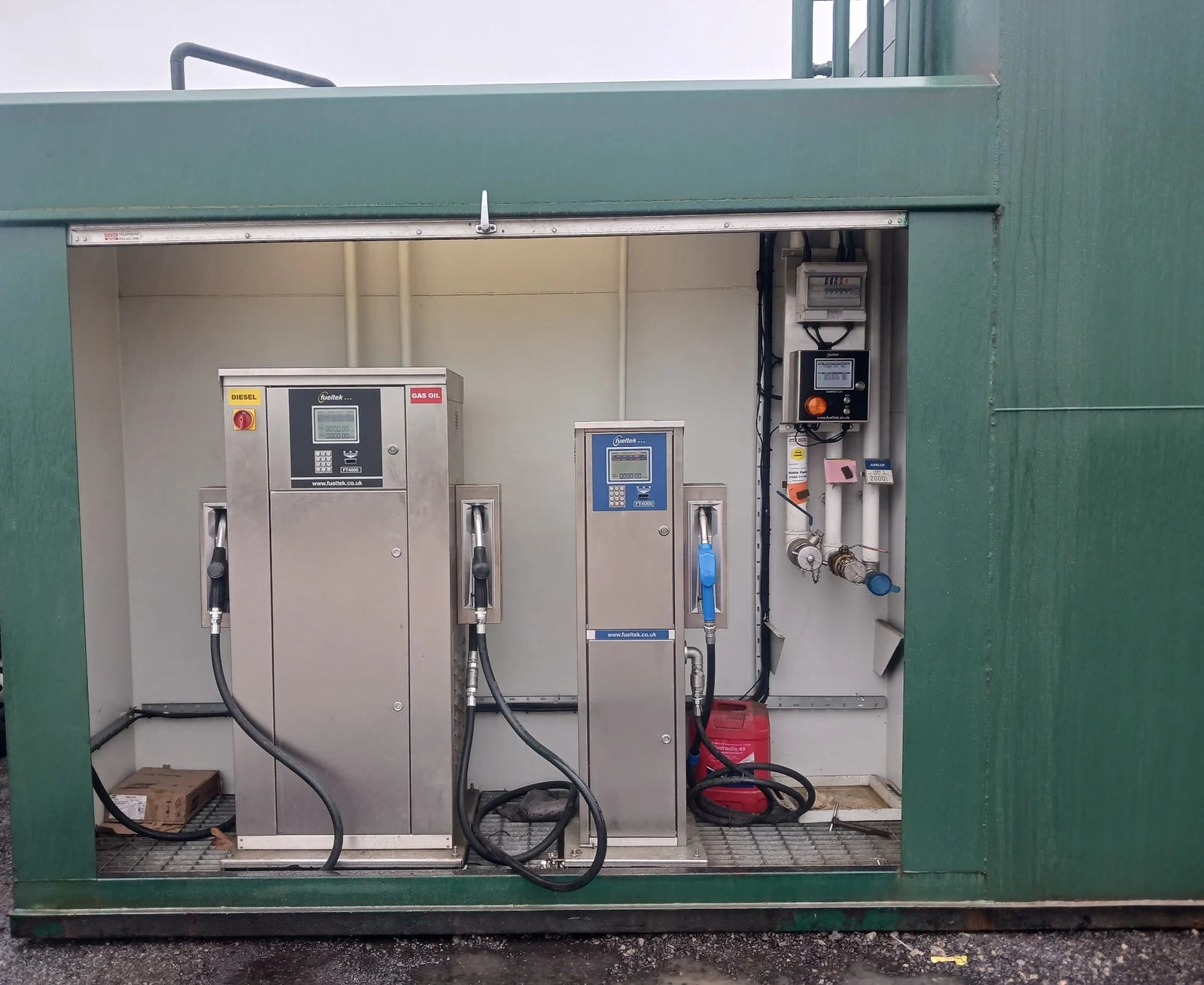
A complete Fueltek package brings onsite fuel storage, dispensing, controlled access, tank monitoring and connected reporting together as one planned installation.
Start with the way your operation uses fuel. We can then help specify the tank capacity, pumps, fuel-management hardware, Tankwatch, FMO software, identification method, installation and support around the real site.
The exact combination depends on whether you are upgrading an existing fuel point or creating a new one. The package can be built from Fueltek storage, dispensing, access-control, monitoring and reporting products rather than treating each item as a separate purchase.
Hardware
01
Fuel storage tank
Plan capacity from consumption, deliveries and reserve requirements, then review the footprint, access and stored products. The tank, any compartments and the supply to each dispensing point need to suit the same operating brief.
Decide whether to retain suitable pumps, fit one integrated dispenser, provide two simultaneous dispensing positions or specify higher-flow diesel equipment. Match the product paths, vehicle positions and expected fill volumes to the chosen arrangement.
Agree who may dispense, which vehicle or asset receives the product and which readings the transaction needs. The terminal and access rules should support that workflow, including any compatible existing pumps retained in the installation.
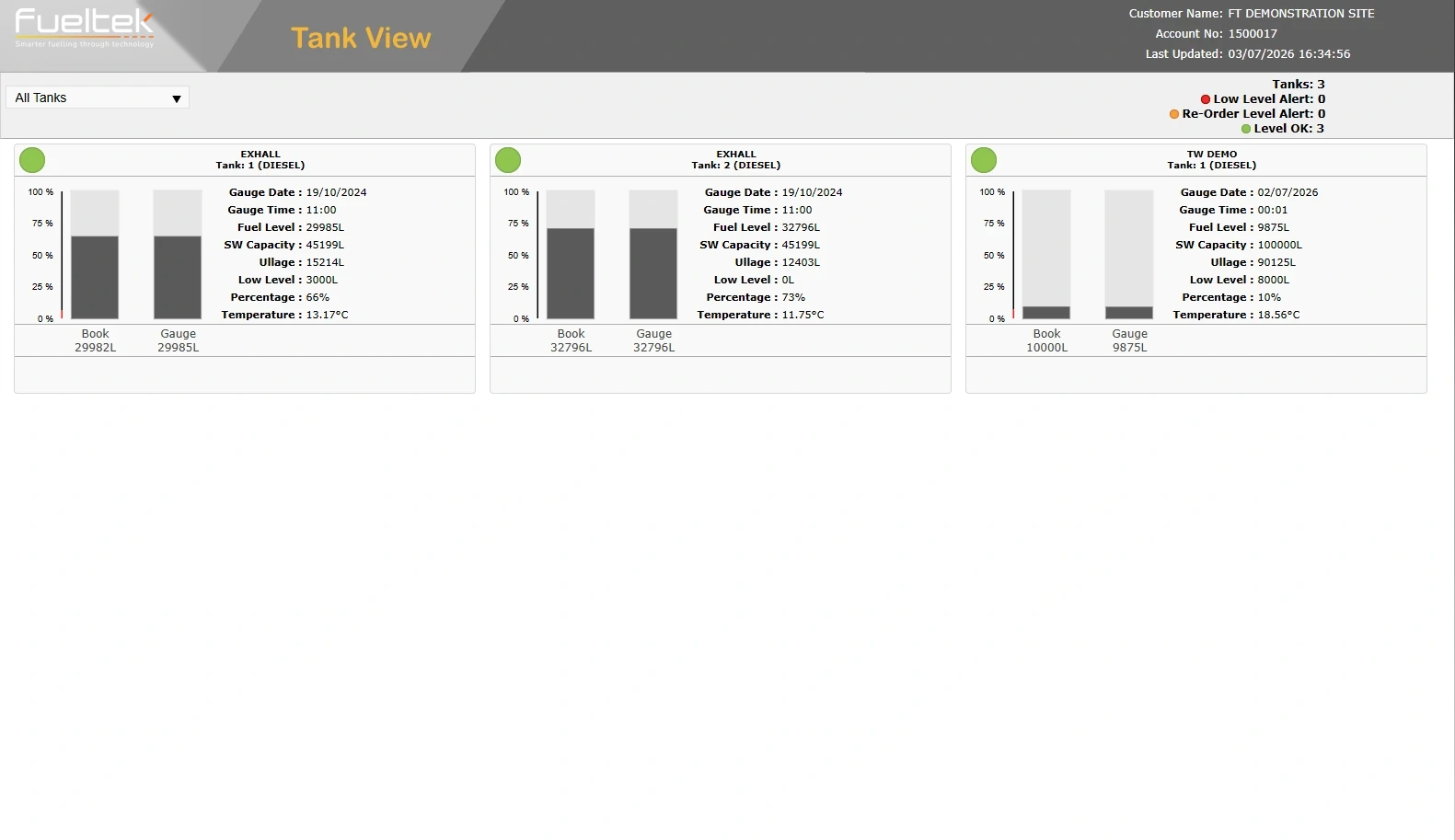
Tank monitoring adds measured stock, ullage, deliveries and movement information. Suitable probes, calibration and reporting connections let your team compare physical tank information with recorded fuel issues.
Choose the configured tag or other identification process around the person using the equipment and the vehicle or asset receiving fuel. Include issue, replacement and administration in the handover, alongside any selected keypad entries.
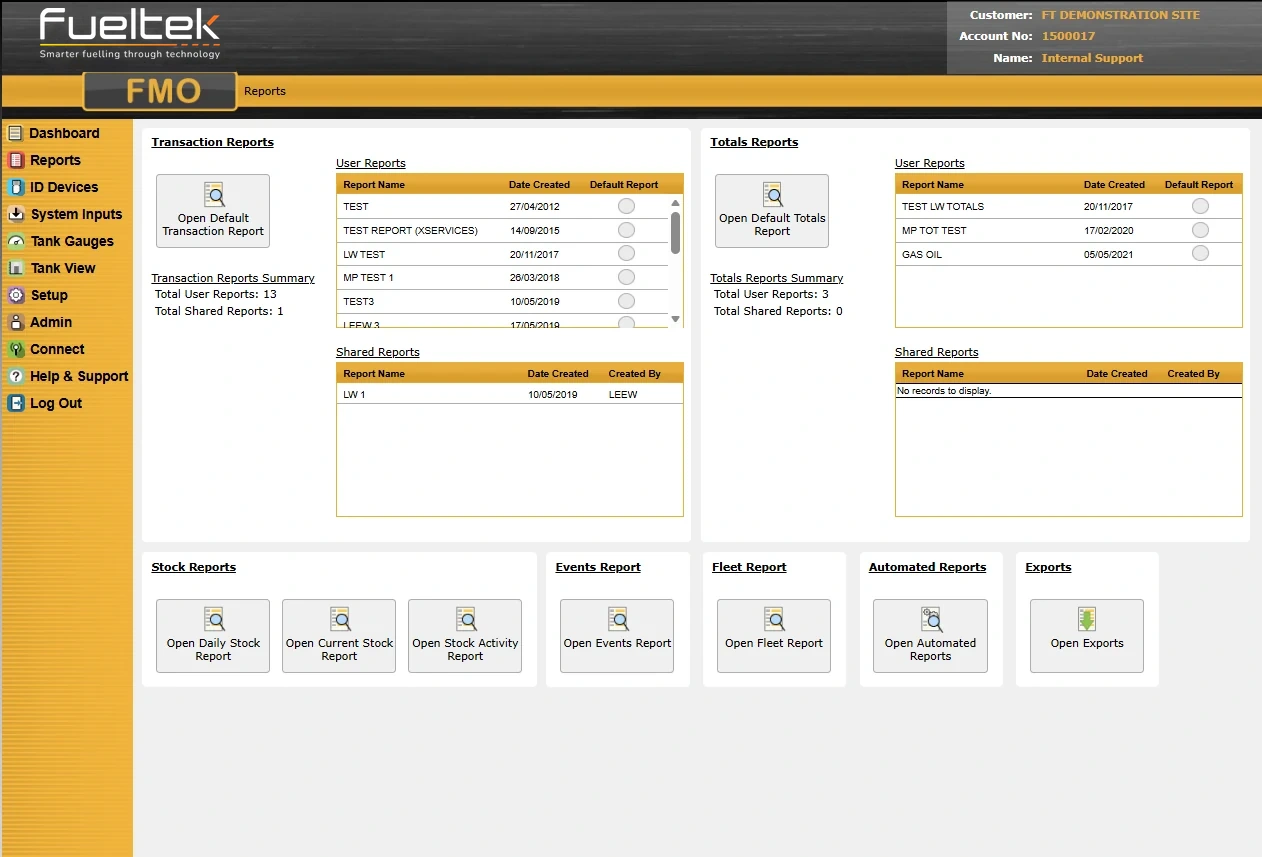
FMO brings the configured transaction fields, sites, vehicles, users and reporting groups into one management view, with access administration and tank visibility where connected.
Where the package includes TankWatch and FMO integration, tank figures and status complement the dispensing records.
Installation and support
07
Installation & commissioning
Installation brings storage, dispensing, control, monitoring and communications together to the agreed specification. Commissioning checks the configured authorisation, transaction records, reporting and relevant local functions against the intended site workflow before handover.
Agree the service route, local responsibilities and ongoing maintenance requirements as part of the project. Include who manages users and records, who reviews stock information, and how the site requests support after the installation is handed over.
Site communications connect the equipment to reporting. We design the connection and tank-monitoring integration around your installation.
Use the information
Review activity in FMO
Review transactions, users and vehicles in a browser, with tank views where configured. Use reports to understand fuel use, check exceptions and plan replenishment.
A good complete package starts with the operating requirement rather than a list of products. The process below gives customers a clear idea of how a Fueltek project can move from an initial conversation to a working, supported fuel-management system.
STEP 01
Understand the site
Review vehicles, assets, fuels, daily usage, peak fuelling periods, existing equipment, tank locations and reporting requirements.
STEP 02
Size the storage
Usage, delivery frequency, reserve cover and future demand determine the storage requirement, alongside the space available for the tank and its fittings.
STEP 03
Specify dispensing
Choose pump type, speed, number of hoses or fuelling points and product configuration around the real workflow.
STEP 04
Choose control
Define how users and assets will be identified, what information is captured and how authorisation should work.
STEP 05
Connect tank visibility
Add Tankwatch where live stock, ullage, delivery and tank-movement information is required.
STEP 06
Configure reporting
Structure FMO around sites, vehicles, users, departments and the information the customer needs to review.
STEP 07
Install & commission
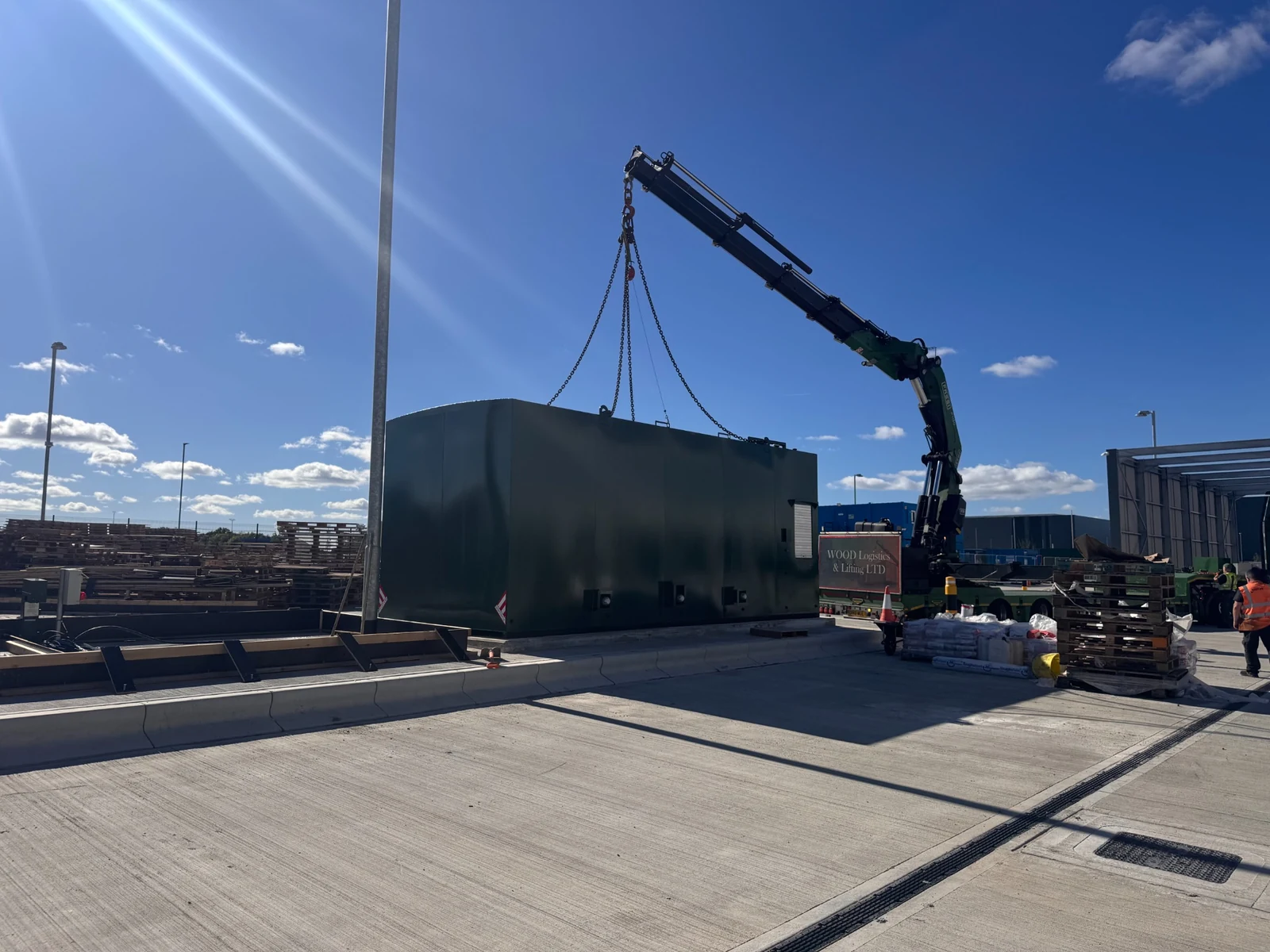
We deliver, install and commission the agreed equipment, including checks of the configured operating process.
Tank delivery and positioning.STEP 08
Handover & support
Provide the agreed handover, training and ongoing service route so the system remains useful after go-live.
Built around the starting point
New installation or upgrade.
You do not necessarily need to replace everything. Fueltek can review what is already onsite and determine whether existing pumps, tanks or infrastructure can form part of the proposed solution.
Existing site
Add monitoring & control
For sites with usable storage and dispensing equipment that need better identification, transaction reporting or tank visibility.
Review existing compatibility
Add FT4000 control where suitable
Add Tankwatch and FMO reporting
Hardware upgrade
Replace or expand dispensing
For operations where the tank remains suitable but pumps, hose capacity, flow or fuelling-point layout need to change.
Single, twin or specialist dispensing
Diesel, gas oil and AdBlue configurations
Connect new equipment to reporting
New fuel point
Create the complete station
For a new depot or replacement installation where storage, dispensing, monitoring and reporting need to operate as one system.
Tank capacity and configuration
Integrated hardware and software
Installation, commissioning and support
Choose the route around your starting point
What needs to change?
What to define first
Explore the route
Retain suitable pumps
Suitable existing tanks, pumps and meters can form part of the system. Compatibility depends on their interfaces, condition and the access, transaction and communication requirements.
Observe the fill volumes, arrival pattern and vehicle positions. Define whether the main requirement is one integrated fuel point, two simultaneous fills or a different dispensing duty.
Bring demand, product types, a layout, delivery access and the reporting brief together. Include installation, commissioning and handover requirements in the same discussion.
An installation can combine several of these routes. We assess existing equipment and site requirements to develop the complete configuration. Scroll sideways to read the table on a narrower screen.
Build the right package
Start with your fuel operation. Fueltek can help build the rest.
Use the System Finder if you want to work through the hardware requirement, or use the tank calculator first if storage capacity is the main question.
A complete fuel facility combines supplied storage with dispensing, identification, monitoring and reporting. The acceptance record should follow those component roles.
Tank and installation
Keep the agreed tank drawing, design basis, applicable test records and site-work responsibilities together. Review the named tank standards.
Fuel issue and measurement
Commissioning covers the configured authorisation, outlet selection, prompts, measured issue and recorded transaction. Pump safety and meter accuracy are separate aspects of the installation.
Stock and communications
Tank identification, readings, agreed alarms and communications form part of commissioning. Matching timestamps makes stock and transaction comparisons meaningful.
People and support
Record operator and administrator handover, document locations, support contacts and covered equipment. Different components can have different warranty and maintenance terms.
Factory preparation can reduce work at the depot. The site still needs the agreed base, access, services and installation arrangements. Handover covers the configured transaction records, tank information, reporting access and operator training.
Technical information
One coordinated system specification
We combine fuel-control and dispensing equipment with the tank, monitoring and site works required for your project. The configurable management platform provides the controls your operation needs, with optional equipment and services specified separately.
The tank scope includes the agreed capacity, compartments, steelwork, cabinet, fill connections, alarms and approved drawing. Pump, access-control and reporting requirements are specified alongside it. Commissioning and handover should identify the supplied equipment and the relevant support and warranty terms.