
Use meaningful asset records
Use stable identifiers that match the records already used for vehicles, plant, generators and workshop equipment around Braintree and Brentwood. Each fuel issue can then be assigned to the correct asset.
Fueltek | Chelmsford & Essex
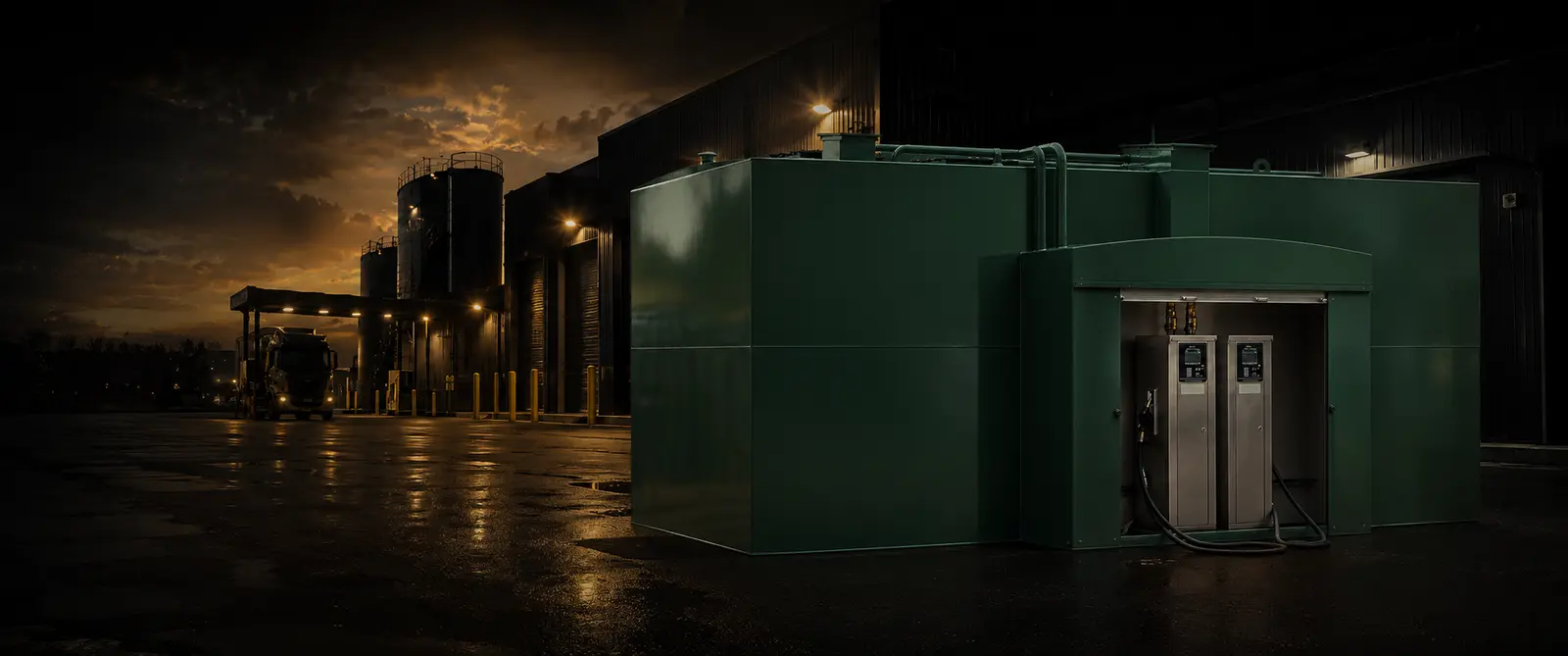
A useful starting point for Chelmsford is new storage and dispenser projects where tank sizing, delivery access, pump position and communications should be considered early.
Before products are discussed for Chelmsford, establish how the operation will use asset records that match the way the operation works, include plant, machinery and other non-road demand and keep reporting clear and useful. Those decisions provide the basis for the equipment review.
Start with the live operation rather than a product list. Record who refuels, the fuels used, peak demand and existing equipment; for Chelmsford, the specific point to test is new storage and dispenser projects where tank sizing, delivery access, pump position and communications should be considered early.
Operating requirement
The main site consideration around Chelmsford is new storage and dispenser projects where tank sizing, delivery access, pump position and communications should be considered early.
Include road vehicles, other fuel-using equipment and hired assets in the identification discussion. Define who creates or changes records and which reference staff will use at the point of issue.
Set the control priorities →Work through the controls in order: use asset records that match the way the operation works; include plant, machinery and other non-road demand; then keep reporting clear and useful. Distribution centres, Local authorities and Construction provide useful comparisons, but the site itself remains the deciding factor.
Test those three requirements during a normal shift and at peak demand before shortlisting hardware. Then inspect existing tanks, pumps, controls and communications around Braintree or Brentwood for condition and compatibility.
Use stable identifiers that match the records already used for vehicles, plant, generators and workshop equipment around Braintree and Brentwood. Each fuel issue can then be assigned to the correct asset.
Include plant and other non-road demand when setting product rules, expected consumption and reporting fields. Operations around Witham and Maldon may need engine-hour readings or internal asset numbers rather than road mileage.
“Keep reporting understandable” means capturing only the user, asset, quantity, time, product and location fields managers will use. Consistent asset names and exception rules make comparisons across Chelmsford-area sites more reliable.
The Chelmsford brief can be compared with Distribution centres, Local authorities and Construction. These are reference points for the operating pattern; they do not lock the project into a standard hardware configuration.
A project around Braintree with a distribution-centre operating pattern would be assessed for throughput, access control, storage and reporting before equipment is confirmed.
Explore Distribution centres →For a local-authority requirement around Brentwood, the important checks are flow, authorised access, storage and reporting. The physical installation decides the final configuration.
Explore Local authorities →A project around Witham with a construction operating pattern would be assessed for throughput, access control, storage and reporting before equipment is confirmed.
Explore Construction →Once the sector comparisons have exposed the important differences, build the Chelmsford route around the confirmed access, dispensing, asset and reporting needs.
Build the system route →Use System Finder to collect the asset and transaction requirements. Review FT4000 for separate control of compatible pumps and Tankwatch for the measured tank information needed alongside those fuel-issue records.
For Chelmsford, System Finder, FT4000 terminal and Tankwatch help convert the site requirements into practical site information. Their outputs still need checking against the live installation.
Use System Finder to record the Chelmsford fleet or asset count, daily fills, peak demand, fuels, dispensing points and operational priorities. It creates a structured site summary for Fueltek to review before equipment is shortlisted around Braintree or Brentwood.
Find a system →The FT4000 terminal controls authorised fuel issues and records the user, vehicle or asset, quantity, time and pump. For a Chelmsford site around Braintree, confirm identification, pump interfaces, power and communications.
View FT4000 →Where the Chelmsford requirement includes remote stock visibility, review Tankwatch against the actual tank, gauge and communications available at the site. A project near Witham can need a different connection or monitoring arrangement from one near Maldon, so compatibility is checked rather than assumed.
View Tankwatch →Use System Finder, FT4000 terminal and Tankwatch to explore the options for your Chelmsford project. A site visit helps us match the equipment to the actual layout and operating requirements.
Validate the project →Projects may be based in Braintree, Brentwood, Witham and Maldon as well as Chelmsford itself. The location defines the service area; the site conditions define the system.
Service coverage
Work in the Chelmsford area can include Braintree, Brentwood and Colchester. We assess each site on its own layout, demand, installed equipment and reporting requirement.
Fueltek’s engineering base is at Lang Court, Shadsworth Business Park in Blackburn. Chelmsford, Braintree and Brentwood are service-area references rather than separate Fueltek branches.
Multi-site operations
A multi-depot business can use one consistent identification and reporting approach across Chelmsford, London, Cambridge and Norwich, yet still specify storage and dispensing separately at each location.
A Chelmsford site brief should explain what each fuel record represents. Use distinct identities for distribution vehicles, local-authority assets and construction equipment, with a clear process for handling transfers, replacements and hired machinery.
For distribution use, describe the vehicle identifier used at fuelling and in the office records. Include replacement or temporary vehicles so Fueltek can review how the site should capture those issues without losing the operational context.
Distribution guidance →For local-authority work, list relevant grounds, maintenance or other mobile equipment alongside the road fleet. Identify how these assets should appear in reports and which service is responsible for reviewing their usage.
Local-authority guidance →For construction operations, explain how hired machines enter and leave the site register. Record who approves access, the reference needed for reporting and what should happen to that assignment when the hire finishes.
Construction guidance →Before moving on, make sure the Chelmsford brief records any important difference between the operation around Braintree and the one near Colchester.
Move to the next step →Your site enquiry can include the current vehicle and equipment references, examples of hired-asset changes and the proposed tank layout. Keep any planned changes in fleet demand with the storage and dispensing brief.
Chelmsford FAQs
Use the busiest Chelmsford fuelling period to test the proposed process. The number of users or assets, fuels and typical fill volume should all be known before the site is configured to use asset records that match the way the operation works.
A good site pack does not need to be complicated. For Chelmsford, include the layout, existing equipment details, fuel types, peak demand, identification method and communications, with photos wherever they clarify the installation.
Treat the project around Braintree and any separate site near Colchester as individual installations. Their demand, storage, access, vehicle mix and communications may justify different equipment.
For Chelmsford, distribution-centre operations provide the strongest sector comparison. Local-authority operations and construction operations are also useful where their operating demands overlap with the live site.
Fuel management in Chelmsford
Your Chelmsford site’s layout, fuels, demand, existing equipment and required reports provide the basis for a site-specific recommendation.
Share the Chelmsford site information with Fueltek when you are ready for a site-specific discussion, or use the UK locations hub to compare another project area.
For a project beyond Chelmsford, continue through the UK coverage hub to the nearest relevant area.
View all UK locations →