
Standardise what should be common
For a multi-site Brighton operation, standardise user and vehicle identifiers, product names, permission rules and core reporting fields across sites such as Hove and Worthing.
Fueltek | Brighton & East Sussex
For Brighton, the most relevant operating picture is compact sites where equipment footprint, driver movement and remote reporting can matter more than sheer dispenser capacity.
On a Brighton site, the control priorities are to standardise the parts of the process that should be common, allow the physical setup to vary where each site needs it and define who manages users, permissions and exceptions. We assess each one against the real equipment, connectivity and vehicle movements before choosing hardware.
Build the Brighton brief from actual site information. Note users or assets, fuels, peak periods and existing equipment, then assess the issue that matters most here: compact sites where equipment footprint, driver movement and remote reporting can matter more than sheer dispenser capacity.
Operating requirement
The main site consideration around Brighton is compact sites where equipment footprint, driver movement and remote reporting can matter more than sheer dispenser capacity.
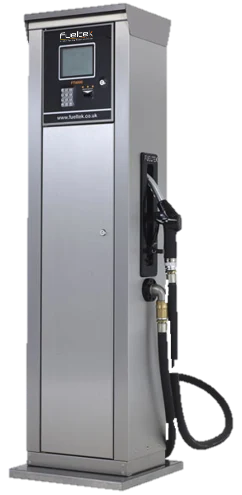
Record each yard or compound separately, including the available working space and the return-to-service window. Identify which access rules can be shared and which physical arrangements need individual consideration.
Set the control priorities →Work through the controls in order: standardise the parts of the process that should be common; allow the physical setup to vary where each site needs it; then define who manages users, permissions and exceptions. Local authorities, Bus & coach depots and Construction provide useful comparisons, but the site itself remains the deciding factor.
Test those three requirements during a normal shift and at peak demand before shortlisting hardware. Then inspect existing tanks, pumps, controls and communications around Hove or Worthing for condition and compatibility.
For a multi-site Brighton operation, standardise user and vehicle identifiers, product names, permission rules and core reporting fields across sites such as Hove and Worthing.
Keep those data standards while allowing tank capacity, dispenser quantity, flow, layout and communications to match the physical conditions around Shoreham-by-Sea and Lewes.
“Define administration clearly” sets responsibility for users, vehicles, permissions, product rules and exception review. For a Brighton operation around Shoreham-by-Sea, agree who maintains records and who can act on alarms or unusual transactions.
Local authorities, Bus & coach depots and Construction give three useful ways to test the Brighton requirement. Compare their access, throughput and reporting needs, then keep only what is relevant to the actual site.
A project around Hove with a local-authority operating pattern would be assessed for throughput, access control, storage and reporting before equipment is confirmed.
Explore Local authorities →Where the Brighton project resembles bus and coach depot operations near Worthing, Fueltek would test the site’s flow, access, storage and reporting needs against the real installation.
Explore Bus & coach depots →For a construction requirement around Shoreham-by-Sea, the important checks are flow, authorised access, storage and reporting. The physical installation decides the final configuration.
Explore Construction →Once the sector comparisons have exposed the important differences, build the Brighton route around the confirmed access, dispensing, asset and reporting needs.
Build the system route →Use existing-site support guidance to describe equipment that could be retained. Review integrated dispensing against the available space, and use System Finder to organise the users, fuels and demand associated with each proposed fuel point.
The Brighton system route can be explored with Existing-site support, Integrated dispensing and System Finder. Treat the outputs as working inputs for the site review rather than a final specification.
Use the support and maintenance route when the Brighton site already has equipment whose condition, compatibility or service history needs reviewing. A project around Hove should be assessed from the installed hardware and operating details before deciding what can be retained.
Support & maintenance →Integrated dispensing combines pump hardware, metering and Fueltek control at the fuelling point. Fuel type, required flow, access, pipework and the equipment around Hove must be confirmed.
View integrated systems →Use System Finder to record the Brighton fleet or asset count, daily fills, peak demand, fuels, dispensing points and operational priorities. It creates a structured site summary for Fueltek to review before equipment is shortlisted around Hove or Worthing.
Use System Finder →For your Brighton installation, Existing-site support, Integrated dispensing and System Finder can help you explore the options. A site assessment turns that starting point into a practical specification.
Validate the project →Projects may be based in Hove, Worthing, Shoreham-by-Sea and Lewes as well as Brighton itself. The location defines the service area; the site conditions define the system.
Service coverage
The service area reaches beyond Brighton to places such as Hove, Worthing and Burgess Hill. Site demand, access and existing equipment—not the city name—determine the specification.
Fueltek is based in Blackburn and supports projects across the Brighton area. The local place names describe coverage only; each physical site is assessed on its own requirements.
Multi-site operations
For multi-site organisations, it can be useful to compare the Brighton brief with Portsmouth, London and Southampton. Common reporting does not require every depot to use identical physical equipment.
Use the Brighton brief to distinguish the common reporting requirements from the physical differences between facilities. A council yard, bus depot and construction compound may share management priorities while needing different access and dispensing arrangements.
List the vehicles, plant and tanks assigned to each local-authority facility. Record which information should be shared centrally and which site administrator remains responsible for day-to-day assignments and exceptions.
Local-authority guidance →For bus or coach use, describe what happens between returning, filling and the next departure. Note any overlap with cleaning, inspection or parking so the fuelling point can be considered within the wider depot routine.
Bus and coach guidance →For construction work, identify changes to the compound layout during the project. Include the expected users and equipment at each phase, together with the person who will keep access permissions and site records current.
Construction guidance →Site requirements can differ between Hove and Burgess Hill. Your layout, equipment and operating details help us tailor the installation to your operation.
Move to the next step →Include a drawing or photographs of the working area and the time available for routine fuelling. Explain how the layout or users may change during a construction project or between operating yards.
Brighton FAQs
Use the busiest Brighton fuelling period to test the proposed process. The number of users or assets, fuels and typical fill volume should all be known before the site is configured to standardise the parts of the process that should be common.
Fueltek can make a more useful first assessment when the Brighton site pack shows the layout, existing tank and dispensing equipment, fuel types, demand, identification method and available communications.
Treat the project around Hove and any separate site near Burgess Hill as individual installations. Their demand, storage, access, vehicle mix and communications may justify different equipment.
The Brighton requirement is closest to local-authority operations, with bus and coach depot operations and construction operations also relevant where access, throughput or reporting needs are similar.
Fuel management in Brighton
To move a Brighton project forward, send the real site layout, fuels, peak demand, existing equipment and the reporting outcome you need. We can then compare those details with the local-authority operating pattern and discuss the next step for your site.
Discuss your Brighton installation with Fueltek, or explore another area through the UK locations page.
Working somewhere other than Brighton? Use the UK locations hub to move to the service area that best matches the project.
View all UK locations →