
Standardise what should be common
For a multi-site Cardiff operation, standardise user and vehicle identifiers, product names, permission rules and core reporting fields across sites such as Newport and Caerphilly.
Fueltek | Cardiff & South Wales
For Cardiff, the most relevant operating picture is multi-site South Wales operations where a common fuelling process can sit across depots with different physical requirements.
The key Cardiff control decisions are standardise the parts of the process that should be common; allow the physical setup to vary where each site needs it; and define who manages users, permissions and exceptions. Each one is checked against the real installation rather than assumed from the location.
A useful Cardiff starting point is a simple operating snapshot: users, fuel types, peak demand and existing hardware. Use it to assess the local requirement, especially multi-site South Wales operations where a common fuelling process can sit across depots with different physical requirements.
Operating requirement
The main site consideration around Cardiff is multi-site South Wales operations where a common fuelling process can sit across depots with different physical requirements.
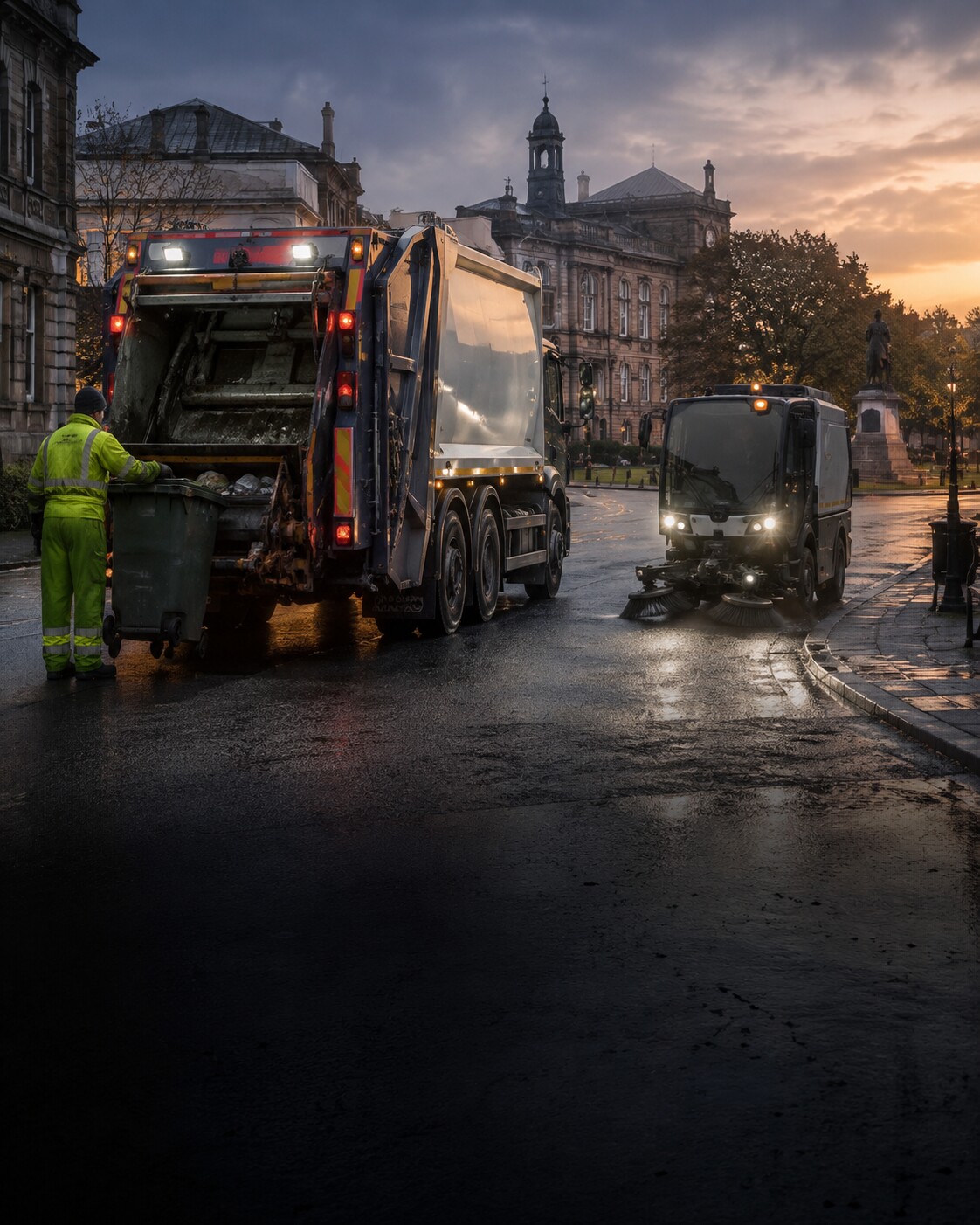
Identify the local administrators and the organisations allowed to use each fuel point. Document approved contingency use and explain how a vehicle is recognised when it refuels at another depot.
Set the control priorities →The Cardiff control sequence is to standardise the parts of the process that should be common, allow the physical setup to vary where each site needs it and define who manages users, permissions and exceptions. Sector examples from Local authorities, Emergency services and Haulage fleets help test the brief without preselecting the hardware.
Test those three requirements during a normal shift and at peak demand before shortlisting hardware. Then inspect existing tanks, pumps, controls and communications around Newport or Caerphilly for condition and compatibility.
For a multi-site Cardiff operation, standardise user and vehicle identifiers, product names, permission rules and core reporting fields across sites such as Newport and Caerphilly.
Keep those data standards while allowing tank capacity, dispenser quantity, flow, layout and communications to match the physical conditions around Barry and Bridgend.
“Define administration clearly” sets responsibility for users, vehicles, permissions, product rules and exception review. For a Cardiff operation around Barry, agree who maintains records and who can act on alarms or unusual transactions.
Use Local authorities, Emergency services and Haulage fleets as comparison points. The best match is the one that resembles the site’s vehicles, assets, operating hours and fuelling demand—not simply its industry label.
A project around Newport with a local-authority operating pattern would be assessed for throughput, access control, storage and reporting before equipment is confirmed.
Explore Local authorities →If the site near Caerphilly operates like a emergency-service application, Fueltek would check flow, access control, storage and reporting against the equipment and layout already there.
Explore Emergency services →Where the Cardiff project resembles haulage fleet operations near Barry, Fueltek would test the site’s flow, access, storage and reporting needs against the real installation.
Explore Haulage fleets →At this point the Cardiff project should have a clearer operating requirement. Translate the useful sector comparisons into specific access, throughput and reporting needs before choosing equipment.
Build the system route →Start the equipment review with the existing-site support guidance. Compare integrated dispensing where replacement is in scope, then use System Finder to record the common operating requirements and the physical differences between participating sites.
Existing-site support, Integrated dispensing and System Finder each answer a different part of the Cardiff requirement. The combined requirements can then be assessed against your site’s equipment and layout.
Use the support and maintenance route when the Cardiff site already has equipment whose condition, compatibility or service history needs reviewing. A project around Newport should be assessed from the installed hardware and operating details before deciding what can be retained.
Support & maintenance →Integrated dispensing combines pump hardware, metering and Fueltek control at the fuelling point. Fuel type, required flow, access, pipework and the equipment around Newport must be confirmed.
View integrated systems →Use System Finder to record the Cardiff fleet or asset count, daily fills, peak demand, fuels, dispensing points and operational priorities. It creates a structured site summary for Fueltek to review before equipment is shortlisted around Newport or Caerphilly.
Use System Finder →For your Cardiff installation, Existing-site support, Integrated dispensing and System Finder can help you explore the options. A site assessment turns that starting point into a practical specification.
Validate the project →Projects may be based in Newport, Caerphilly, Barry and Bridgend as well as Cardiff itself. The location defines the service area; the site conditions define the system.
Service coverage
The service area reaches beyond Cardiff to places such as Newport, Caerphilly and Penarth. Site demand, access and existing equipment—not the city name—determine the specification.
Fueltek is based in Blackburn and supports projects across the Cardiff area. The local place names describe coverage only; each physical site is assessed on its own requirements.
Multi-site operations
A multi-depot business can use one consistent identification and reporting approach across Cardiff, Bristol, Birmingham and Exeter, yet still specify storage and dispensing separately at each location.
For a Cardiff project, describe how the proposed system will be administered across council, emergency-service or haulage operations. Include local responsibility, approved exceptions and the information managers need when vehicles use more than one site.
For council facilities, identify who maintains the vehicle and user records at each location. Explain which changes need central approval and which can be handled locally so the reporting structure matches actual responsibilities.
Local-authority guidance →For emergency-service use, describe any approved arrangements for filling at another location or using a replacement vehicle. Record what must be identifiable afterwards and who can confirm the relevant operating requirements.
Emergency-service guidance →For haulage fleets using several depots, show how vehicles are identified consistently and which depot owns each transaction review. Include sites with different pumps, fuels or communication arrangements in the project notes.
Haulage fleet guidance →Take the completed Cardiff site pack into the final review and highlight anything that differs between Newport and Penarth.
Move to the next step →Include a contact and equipment schedule for every location. Set out cross-site vehicle use, the reporting responsibilities and any contingency arrangement that needs agreement before configuration.
Cardiff FAQs
At Cardiff, the peak window is the best stress test. Record who or what refuels, the fuels involved and typical fill volumes, then make sure the process can standardise the parts of the process that should be common without creating avoidable delay.
Send a simple site layout together with clear photos and model details of the existing tank, dispenser, meter, gauge and controller. Add fuel types, daily and peak fills, identification method and available communications so Fueltek can assess a Cardiff-area project properly.
Proximity does not make two sites identical. Differences between Newport and Penarth can include demand, storage, vehicle access, connectivity and the condition of existing equipment, all of which affect the final route.
The closest operating fit for Cardiff is local-authority operations. Parts of the emergency-service and haulage fleet workflows may also help shape the final site requirement.
Fuel management in Cardiff
The quickest way to make the Cardiff discussion specific is to share the site layout, fuels, expected peak demand, existing equipment and reporting requirement. We will use those details to shape the next step for the actual installation.
Share the Cardiff site information with Fueltek when you are ready for a site-specific discussion, or use the UK locations hub to compare another project area.
For a project beyond Cardiff, continue through the UK coverage hub to the nearest relevant area.
View all UK locations →