
Initial project
Include tanks, dispensing, monitoring, civil work, power, communications, installation and commissioning. Check which works are included and which remain the customer’s responsibility.
Planning guide
Select the equipment around the problem you need to solve.
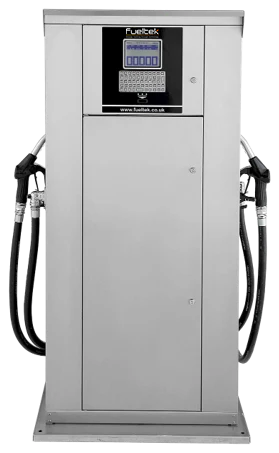
Control access, renew a dispenser, add a second filling point or understand stock movement. These are different needs and may call for different combinations of equipment.
An FT4000 controls compatible pumps. An integrated dispenser combines pumping and control. TankWatch measures tank stock. FMO presents the configured records to authorised users.
A complete onsite facility can reduce refuelling detours and provide direct control over stored fuel. Offsite fuel cards may still serve routes away from base. Compare the whole operating cost rather than assuming one arrangement always wins.
Record the number of vehicles, quantities per fill, available space and simultaneous users. Match delivery flow to the vehicle and complete fuel path. Use System Finder for an indicative starting point, then confirm the engineering specification.
Ask what is included in hardware, site work, communications, reporting, training and ongoing support. Confirm recurring charges, exclusions and expansion requirements before deciding.
Practical guidance
Compare the complete operation rather than only the price displayed per litre.
| Area | Fuel-card review | Onsite review |
|---|---|---|
| Availability | Check the actual acceptance network, routes, opening hours and permitted products. | Check delivery access, storage capacity and contingency when the site is unavailable. |
| Cost categories | Ask about account/card fees, replacement fees, transaction charges, network surcharges and the pricing basis. | Include delivery, equipment, finance, maintenance, stock held and operating responsibilities. |
| Misuse controls | Review PINs, card assignment, product restrictions, limits and the process for lost cards. | Review driver/vehicle identification, access limits and exception investigation. |
| Records | Confirm when transactions arrive and how vehicles, quantities, VAT and costs are identified. | Keep dispensing, delivery and tank records aligned with the same reporting period. |
A mixed model may suit vehicles that regularly operate away from base. Neither purchasing route removes the need to investigate unusual use or reconcile records.
Your site
Discuss the equipment, information and support your operation needs.
Buying decision
Include tanks, dispensing, monitoring, civil work, power, communications, installation and commissioning. Check which works are included and which remain the customer’s responsibility.
Compare delivered fuel, stock held, maintenance, calibration, software and communications charges, staff time and refuelling detours. Check offsite card fees and access needs separately.
Consider the busiest period as well as average demand. Extra storage ties up space and working stock; additional dispensing points require suitable supply and traffic space.
Use your current fuel use, refuelling time and proposed quotations. Keep measured operating costs separate from projected savings. No percentage saving or payback period is implied by this guide.